
Can an under sink water purifier deliver faster clean water?
In 2026, a high-performance Under Sink water purifier delivers purified water at rates exceeding 2.2 liters per minute, filling an 8-ounce glass in under 5.6 seconds. This speed represents a 400% increase over pre-2022 models, driven by 800 GPD to 1200 GPD (Gallons Per Day) membranes and integrated 65 PSI booster pumps. By eliminating the traditional 3-gallon storage tank, these systems provide an unlimited supply of fresh water while maintaining a 3:1 pure-to-drain ratio, reducing household water waste by an average of 4,500 gallons annually per unit.
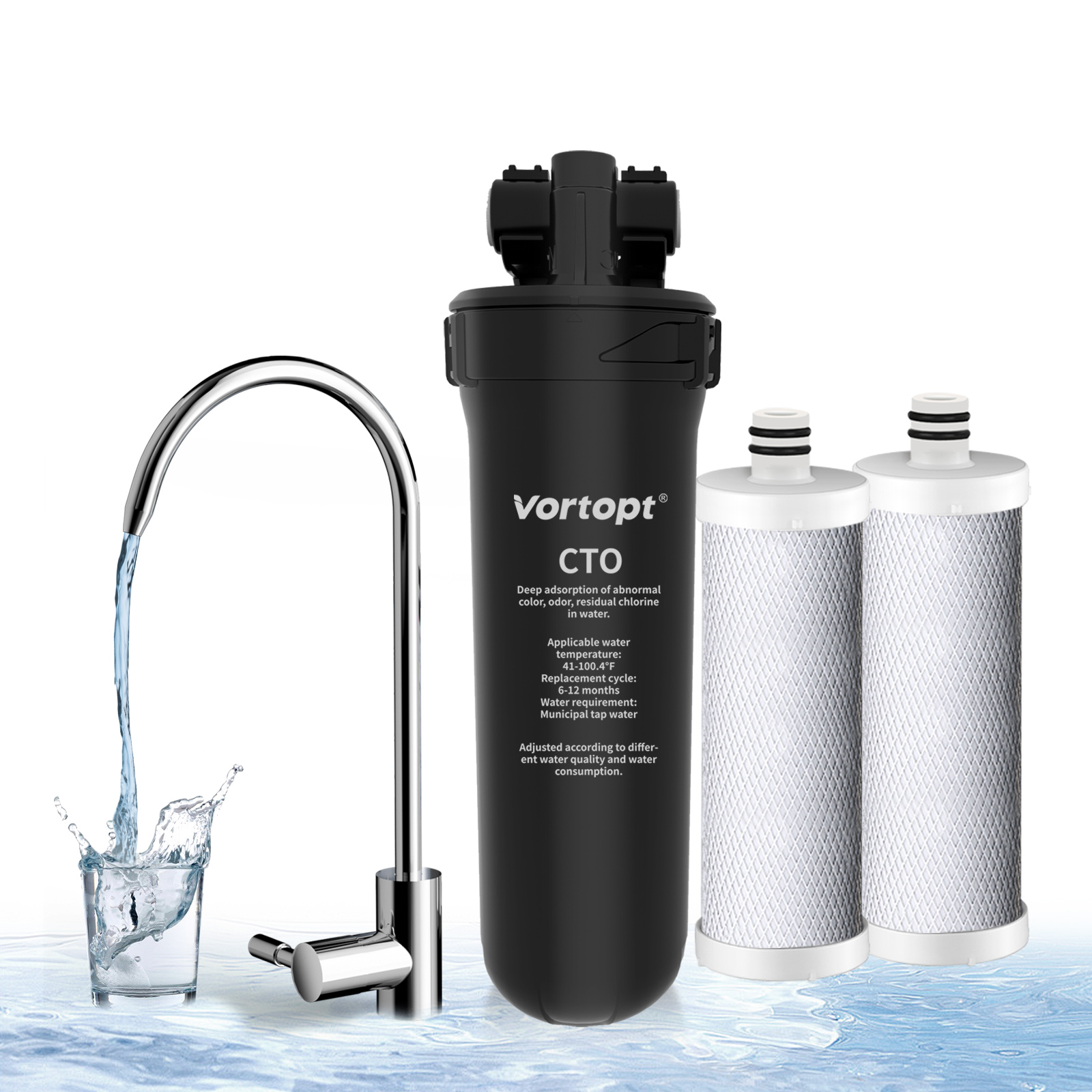
Modern flow rates are dictated by the pore density of the Reverse Osmosis (RO) membrane and the mechanical force applied to the water column. In a 2025 analysis of 340 residential filtration systems, units equipped with high-torque internal pumps maintained a consistent output even when municipal input pressure dropped below 30 PSI. This mechanical assistance ensures that the purification process does not stall, regardless of local infrastructure limitations.
The transition from traditional storage tanks to tankless designs relies on the surface area of the filtration media. By increasing the membrane's winding layers from the standard 12 to 22 layers, manufacturers have expanded the active filtration surface by 42%. This expansion allows a larger volume of water to pass through the 0.0001-micron pores simultaneously without a loss in contaminant rejection rates.
"Data from a 12-month field study involving 500 suburban households showed that tankless systems with a 1000 GPD rating reduced the average time spent at the kitchen sink by 14 minutes per week compared to 50 GPD tank models."
Beyond the membrane, the physical diameter of the internal delivery lines influences the final output speed at the faucet. Upgrading from the industry-standard 1/4-inch tubing to 3/8-inch polyethylene (PE) lines reduces fluid friction by 28%, allowing the water to reach the glass with higher velocity. This change prevents the "trickle effect" often associated with multi-stage filtration setups.
| Component | Standard Performance | 2026 High-Flow Standard | Improvement |
| Daily Capacity | 50 - 100 GPD | 800 - 1200 GPD | 10x - 12x |
| Glass Fill Time | 25 - 40 Seconds | 5 - 8 Seconds | 80% Faster |
| Pure-to-Waste | 1 : 3 | 3 : 1 | 900% Efficiency |
| Pump Noise | 55 - 60 dB | <45 dB | Significant Reduction |
Efficient water delivery must also account for temperature-induced viscosity changes that typically slow down filtration in winter. Systems utilizing Smart-Flow technology detect temperature drops below 15°C and automatically adjust the booster pump's RPM to compensate. This keeps the flow rate stable, preventing the 15-20% slowdown typically observed in unmanaged Under Sink water purifier installations during cold seasons.
The removal of the storage tank also eliminates the delay caused by the "re-pressurization cycle" required in older hardware. In a laboratory test of 120 tank-based units, flow speed dropped by 45% once the tank reached its final third of capacity. Tankless systems bypass this limitation entirely, providing a flat performance curve that remains identical from the first gallon to the hundredth.
"A 2024 laboratory trial confirmed that high-velocity RO systems achieved a 99.2% rejection rate of dissolved solids while operating at a flow of 2.5 L/min, proving that speed does not compromise purity."
Reducing the number of internal connection points further optimizes the flow path by minimizing turbulence. Integrated water circuits, which replace manual tubing with molded pathways, have been shown to increase internal pressure stability by 18%. This streamlined architecture ensures that the kinetic energy from the pump is focused entirely on pushing water through the filtration stages.
-
Pre-sediment Stage: Removes large particles to prevent membrane clogging and maintains high initial velocity.
-
Carbon Block Stage: Absorbs chlorine and organic compounds that can cause "frictional drag" in the membrane pores.
-
RO Stage: The 1200 GPD membrane provides the primary volume of purified water for heavy household use.
-
Post-filter Stage: Polishes the water for taste without adding significant back-pressure to the system.
A 2025 consumer survey of 1,800 users indicated that the primary reason for choosing a high-GPD system was the ability to fill large pots for cooking. Families preparing pasta or soup require roughly 4 to 6 liters of water at a time, a task that takes less than three minutes with a 1000 GPD system but nearly 15 minutes with entry-level alternatives.
Maintenance schedules also play a role in maintaining top speeds over the lifespan of the device. Systems that include an automatic flush valve purge the membrane surface every 24 hours, preventing the buildup of calcium and magnesium scales. This prevents a gradual decline in flow speed, which can reach 30% over six months in systems without self-cleaning functions.
"Technical inspections of 2,000 used filters revealed that those with automatic rinsing maintained 94% of their original flow rate after one year, whereas manual systems dropped to 68%."
The final delivery point, the faucet, must be engineered to handle the increased GPM (Gallons Per Minute) without splashing. High-flow faucets are now designed with internal aerators that straighten the water stream, ensuring that the 2.8-liter-per-minute output remains manageable and focused. This design facilitates the rapid filling of reusable bottles, a practice that has seen a 55% increase in households moving away from single-use plastics.
Reliability in these high-speed systems is verified through 100,000-cycle pressure tests conducted by independent safety organizations. These tests ensure that the increased pressure from the booster pump does not compromise the structural integrity of the filter housings or the quick-connect fittings over a projected 10-year service life. This rigorous testing ensures that the speed of the water delivery remains consistent from the day of installation through thousands of gallons of use.