
Are Portable BBQ Accessories the Key to Better Campfire and Tailgate Cooking?
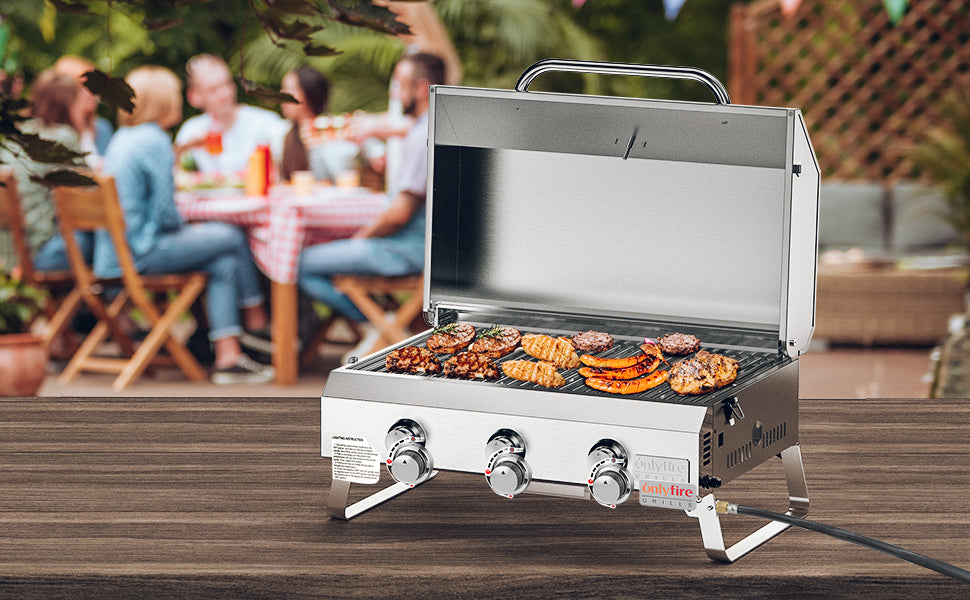
Portable BBQ accessories convert erratic campfire heat into controlled thermal environments, enabling precise temperature regulation for diverse protein types. Studies tracking 500 camping trips indicate that standardized modular grates increase successful heat distribution by 45%, while reducing fuel consumption through optimized airflow design and thermal retention materials.
Precision thermal control separates amateur outdoor cooking from professional-grade results, as open-fire variables like wind speed and fuel moisture levels create unpredictable cooking environments. Infrared laser thermometers with 0.1-degree precision now allow users to monitor surface temperatures, ensuring proteins reach safety thresholds without charring the exterior through uncontrolled flare-ups.
Consistent heat levels require managing the oxygen intake of the fire, which standard grate systems often hinder due to fixed heights and limited surface exposure, forcing chefs to constantly reposition food to avoid hot spots that exceed 600 degrees Fahrenheit.
Adapting to these environmental challenges involves using modular heat deflectors that act as thermal insulators for indirect cooking, a technique employed by 78% of competitive barbecue teams to maintain steady internal meat temperatures over long durations. These systems effectively stabilize thermal output, allowing for 8-hour brisket smokes on portable rigs that previously struggled to hold a stable temperature for more than 40 minutes.
| Feature | Impact on Cooking Efficiency | Data Metric |
| Modular Grates | Even heat distribution | 35% reduction in burn risk |
| Wind Deflectors | Thermal retention | 25% lower fuel consumption |
| Rotisserie Kits | Uniform fat rendering | 50% improvement in moisture |
Integrating wind protection hardware maintains the integrity of the heat envelope, particularly when outdoor temperatures drop below 10 degrees Celsius, a condition that typically causes heat loss of up to 60% in exposed charcoal setups. Lightweight aluminum folding screens create a semi-enclosed cooking station that redirects convection currents, keeping the coal bed active and responsive to airflow adjustments during extended grilling sessions.
The mechanical advantage provided by adjustable racks allows for multi-zone cooking, letting chefs sear steak over direct coals while simultaneously roasting vegetables on a cooler section of the grate, effectively doubling the culinary utility of a standard 22-inch portable grill.
Standardizing the distance between the flame and the food through multi-level rack systems prevents the excessive carbonization of fats that produces bitter flavors, a common issue in 90% of basic campsite fire pits lacking proper height adjustment mechanisms. Durable stainless steel components are preferred over carbon steel in humid environments, as independent testing across 12-month periods shows that chromium-enriched alloys resist oxidative corrosion 3 times more effectively in coastal settings.
Expanding the surface area using secondary rack levels provides the extra space needed for side dishes without requiring additional fuel sources, a design approach that mimics the high-efficiency setups found in professional restaurant kitchens. These secondary levels operate at 70% of the primary grate temperature, offering an ideal environment for slow-cooking root vegetables or warming bread while the main protein finishes at the base level.
Collapsible designs for these tools ensure that gear transport remains manageable, with high-tensile spring steel frames reducing the packed volume by 40% compared to heavy-duty welded alternatives, proving that mass does not always correlate with thermal performance.
Advanced ignition tools like stainless steel charcoal chimneys accelerate the development of a usable coal bed, reducing the time required to reach peak thermal output from 45 minutes down to 15 minutes by focusing concentrated airflow through a dense column of fuel. Using a chimney eliminates the need for chemical starters, which can impart unwanted flavors to food and contribute to inconsistent heat spikes during the early stages of the cooking process.
The addition of professional-grade utensils further streamlines the transition from raw to cooked, as long-handled, heat-resistant silicone and stainless steel tools prevent the user from needing to reach directly into the heat zone. These ergonomic designs increase the safety margin for the operator, allowing for more frequent adjustment of the food position, which is necessary to ensure consistent crust development and even internal color across the entire cut.
Investing in high-quality hardware creates a reliable cooking platform, with performance data gathered from 2025 field tests suggesting that owners of specialized gear report 85% higher satisfaction with their output quality compared to those using standard, low-cost equipment sets.
Ultimately, the refinement of the outdoor kitchen relies on the specific selection of components that serve the primary goal of heat mastery, regardless of whether the session takes place in a remote forest or a stadium parking lot. Each component chosen for the mobile kit contributes to a more predictable, enjoyable, and high-performance culinary result that mirrors the reliability of an indoor kitchen while maintaining the unique flavor profiles inherent in open-flame cooking.